38° and Clear



Image

Will Massachusetts Be The Next State to Pass a Safe Harbor Law?
According to a report from National Health Freedom Action, a hearing was held last week on its Safe Harbor Practitioner Exemption Bill H.2504 / S.148,1 An Act providing for consumer access to and the right to practice complementary and alternative health care services. Practitioners and advocates showed up to support legal protections for the practitioners who serve their communities.
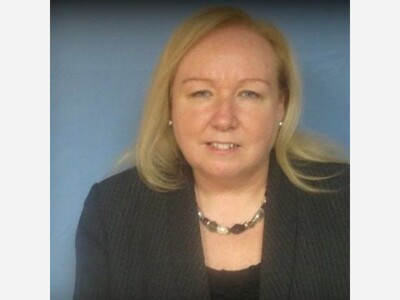
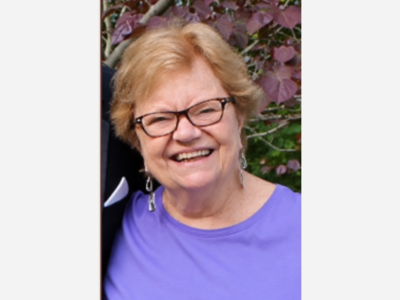
According to a statement made by Carol Bedrosian, Board member of Health Freedom Action Massachusetts (HFAMA), “In 2017 the National Institutes of Health estimated that approximately four in 10 people are using some form of alternative or complementary care for the 7 million people living in Massachusetts, that's close to 3 million people. I am one of them. For over 40 years, I have chosen to use alternative medicine exclusively, because I have found that it works. This bill costs nothing for the state to implement and reduces healthcare costs by keeping people healthier longer. The more accessible holistic medicine is, the happier its residents and the state healthcare budget will be.”
Another supporter asserted that the proposed legislation is not about creating loopholes or avoiding standards but rather aim to provide clear guidance, transparency and ethical boundaries for practitioners of complementary and alternative health services "such as Reiki, meditation, breath work and sound therapy practices that are non-invasive, inherently low risk and deeply rooted in both tradition and modern healing science."
In most states, unlicensed practitioners face legal risk—charged with “practicing medicine without a license” for offering their various practices.
That’s where Safe Harbor laws come in. These state-level laws can create legal exemptions for unlicensed practitioners who avoid prohibited acts (such as puncturing the skin or prescribing drugs) and provide consumers with clear disclosures about who they are and what services they offer.
So far, according to National Health Freedom Action, 11 states—including Minnesota, Rhode Island, Maine, Colorado, California, and Oklahoma—have passed Safe Harbor laws. In these states residents enjoy greater access to traditional, holistic, and culturally important forms of care, they said.


Sunny, with a high of 64 and low of 38 degrees. Sunny during the morning, clear for the afternoon and evening,