58° and Partly Cloudy



Image
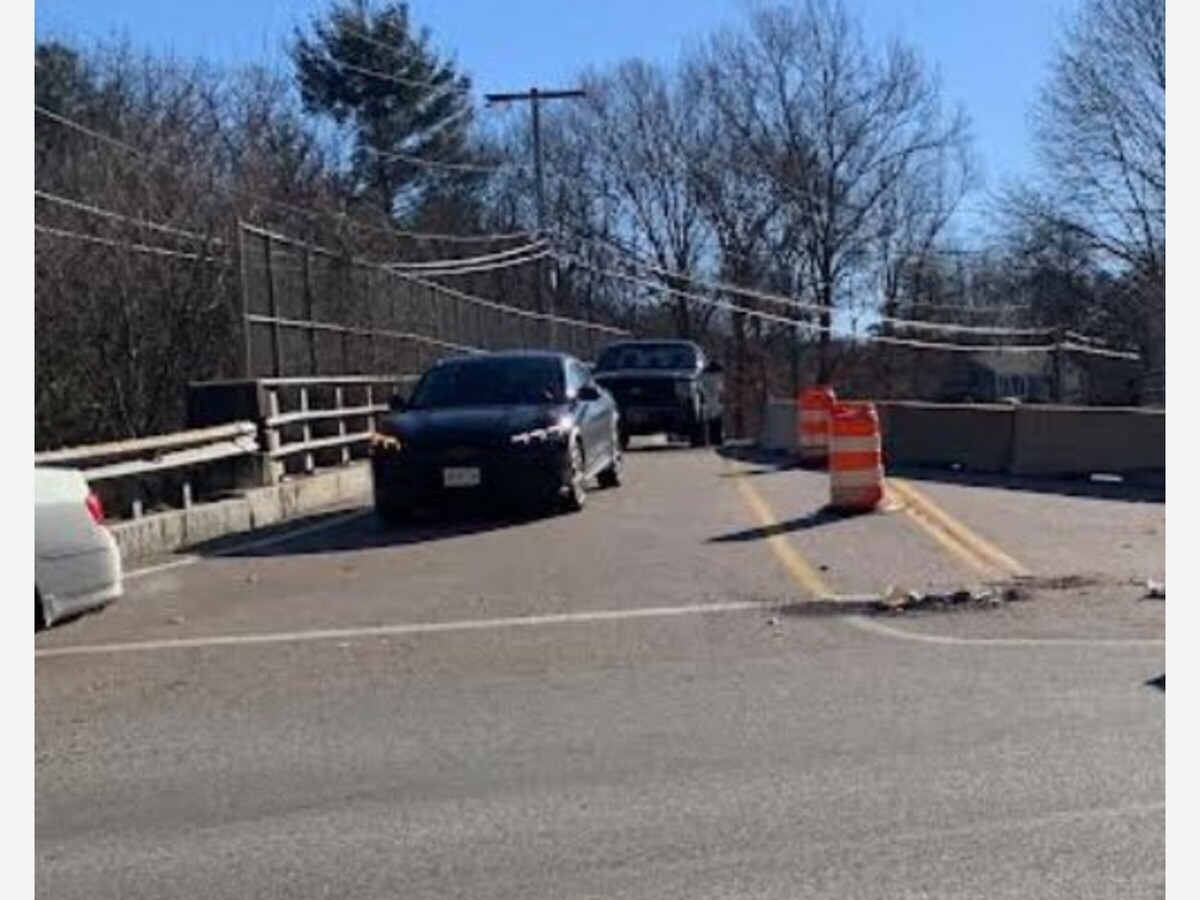
Nearly a year after the Park Street Bridge over the MBTA railroad tracks was closed because of safety concerns, residents are still waiting for a clear timeline for a permanent repair.
The bridge was shut down in December 2024 after inspections found structural deterioration that made it unsafe for normal traffic. According to state transportation officials, corrosion and aging components reduced the bridge’s load-carrying capacity, preventing a full reopening. While the bridge has since partially reopened to limited, one-way traffic with weight restrictions, southbound traffic remains detoured.
Massachusetts Department of Transportation officials have said a full reopening would require replacement of the bridge’s superstructure — a major project that depends on securing funding. Because the bridge is not part of the National Highway System, it competes for more limited state and federal funds, often placing it behind larger, higher-traffic projects.
The bridge has been added to MassDOT’s planning priorities, but no construction start date has been announced. In the meantime, residents continue to deal with detours, increased congestion, and uncertainty about when a permanent solution will be in place.
The chairperson of the Norfolk Select Board did not respond to an email inquiry. A spokesperson for Senator Becca Rausch, asked whether the Senator had taken any steps to remedy the situation, wrote back as follows: “During every budget cycle, Senator Rausch engages with local officials and communities to advocate for their funding priorities. We look forward to continuing these long-standing partnerships and practice of direct engagement in the months ahead.”
“Like many Wrentham, Norfolk, and Franklin residents, I share the frustration with how long the Park Street Bridge has been closed and the lack of a clear, definitive timeline for a permanent fix," said State Representative, Marcus Vaughn. He also pointed out that it isn't `just a piece of infrastructure' — it’s a daily route for families, commuters, first responders, and local businesses, and its prolonged closure has had real impacts on traffic, safety, and quality of life.
"To be clear, this situation stems from long-term structural deterioration that did not happen overnight. Once inspections revealed significant corrosion affecting the bridge’s load-carrying capacity, public safety had to come first," Vaughn noted. That decision, while necessary, has understandably created hardship for the community.
Vaughna said he has been in ongoing communication with MassDOT and regional partners to push for transparency on next steps and to ensure this project remains a priority as funding decisions are made. "While the bridge is now partially open with restrictions, that is not a solution — it is a stopgap. Wrentham/Norfolk/Franklin deserves a permanent repair, not indefinite detours," Vaughn said.
Pre-stressed concrete bridge beams and decks are designed to carry heavy loads by placing the concrete into compression before traffic is ever applied. High-strength steel strands (tendons) are tensioned, and concrete is cast around them. When the tension is released, the steel tries to shorten, compressing the concrete. Because concrete is very strong in compression but weak in tension, this pre-compression allows bridges to span longer distances with thinner, lighter members while resisting cracking under traffic loads.
However, in regions like Massachusetts, there can be problems. The greatest long-term threat is chloride intrusion from road salt. Salt-laden water penetrates cracks, joints, and porous concrete, eventually reaching the steel strands. Once corrosion begins, the steel expands, causing cracking, spalling, and loss of pre-stress force. In pre-stressed members, corrosion is especially serious because failure of even a few strands can significantly reduce load capacity without much visible warning.
Most failures are progressive rather than sudden, detected through inspections showing cracking or rust staining. However, there have been rare catastrophic failures nationally—most notably due to corrosion, construction defects, or inadequate drainage—highlighting the importance of inspection and maintenance. In New England, aggressive inspection regimes have generally prevented sudden collapses.

Marcus Vaughn
"Because this bridge is not part of the National Highway System, it faces tougher competition for limited state and federal dollars. That reality makes advocacy even more important. I will continue pressing MassDOT for clearer answers, exploring all available funding avenues, and keeping residents informed as we work toward a long-term solution," Vaughn explained
"This is not an issue that should fade from public view, and I welcome continued attention and accountability until this bridge gets the fix it deserves," Vaughn said.


Patchy rain nearby, with a high of 76 and low of 48 degrees. Sunny during the morning, clear overnight.