82° and Overcast



Image
From Medwayma.gov:
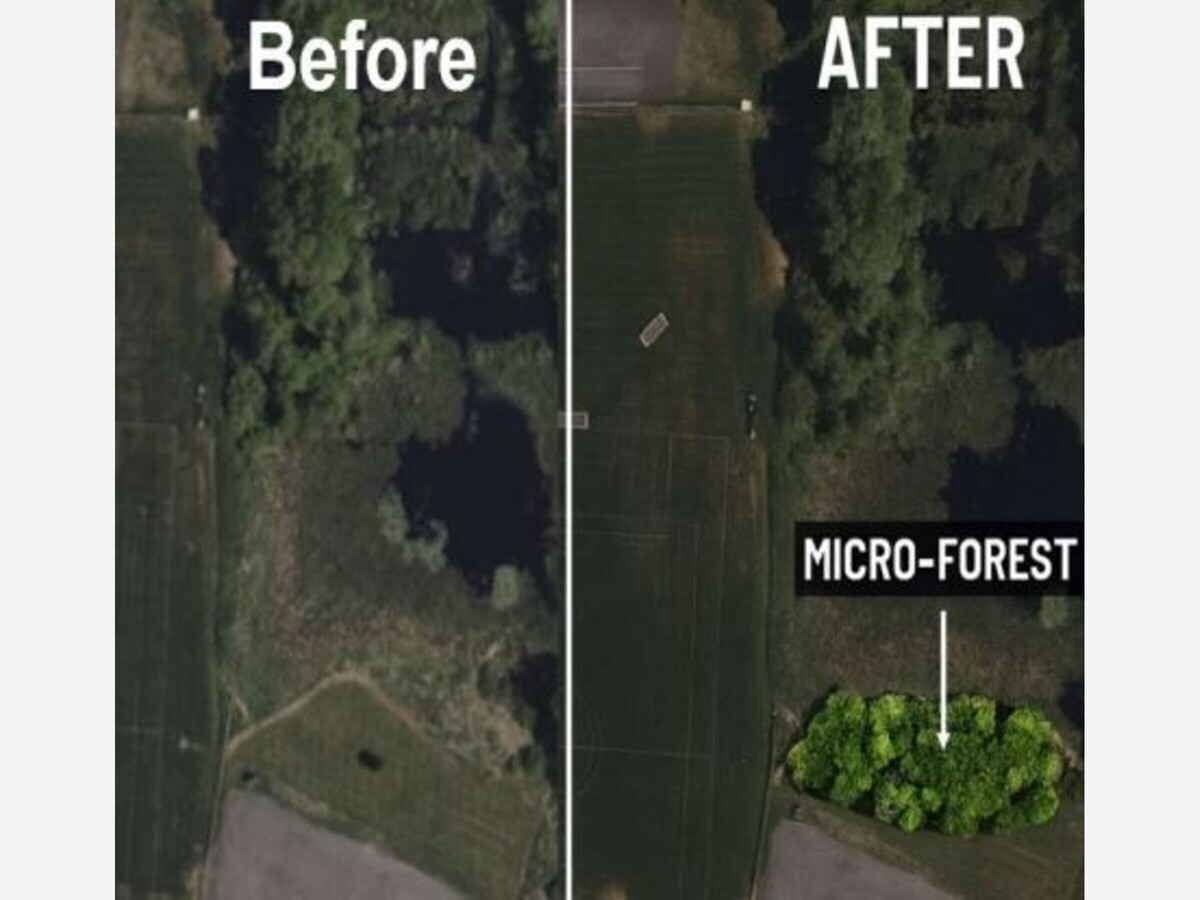
Join the Medway Conservation Commission for a special presentation on the upcoming Miyawaki Forest Project at the Idylbrook Conservation Area! Come learn how this ultra-dense, fast-growing native forest will boost our local biodiversity and climate resilience.
📅 When: Thursday, June 18th
⏰ Time: 6:00 PM – 7:00 PM (Starts promptly!)
📍 Where: Medway Middle School (45 Holliston Street)
🚪 Note: Please enter through Door 7.
The presentation will end right at 7:00 PM so the Conservation Commission can begin their regular meeting. Don’t miss out on shaping the green future of Medway!
#MedwayMA #Conservation #MiyawakiForest #GoGreen #Community
Learn more about the Miyawaki Forest here.
* * * * * *
More on Miyawaki and the Miyawaki Forest Concept
Akira Miyawaki was a renowned Japanese botanist and expert in plant ecology who devoted much of his career to studying native forests and restoring degraded landscapes. After observing that many forests in Japan had been replaced by commercially planted tree species, he researched the composition of original native forests and developed a practical method for recreating them. His work led to the restoration of forests at more than a thousand sites in Japan and around the world, earning him international recognition, including the prestigious Blue Planet Prize.
A Miyawaki Forest is a small, densely planted forest created using Miyawaki’s ecological restoration method. Rather than planting a few trees far apart, the technique uses a wide variety of native species planted very close together—often three to five saplings per square meter. The dense planting encourages rapid growth, natural competition, and the development of a layered forest structure that resembles a mature natural woodland.
Because the trees are native and densely planted, Miyawaki forests can establish themselves much faster than conventional tree plantations. They are often used in urban areas, schools, parks, industrial sites, and other small parcels of land to improve biodiversity, absorb carbon dioxide, reduce heat, dampen noise, and create habitat for wildlife. These “microforests” have become a popular tool for urban greening and ecological restoration worldwide.


Fog, with a high of 82 and low of 65 degrees. Fog in the morning, patchy rain nearby during the afternoon, fog overnight.