64° and Mist



Image
Ella Adams | SHNS
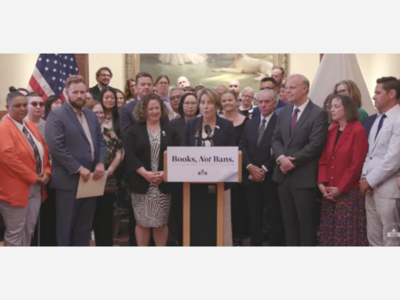
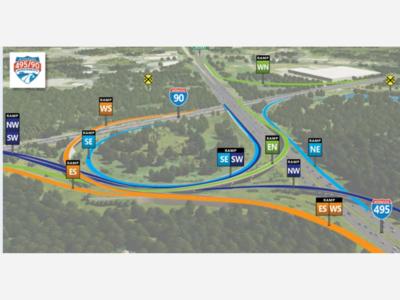
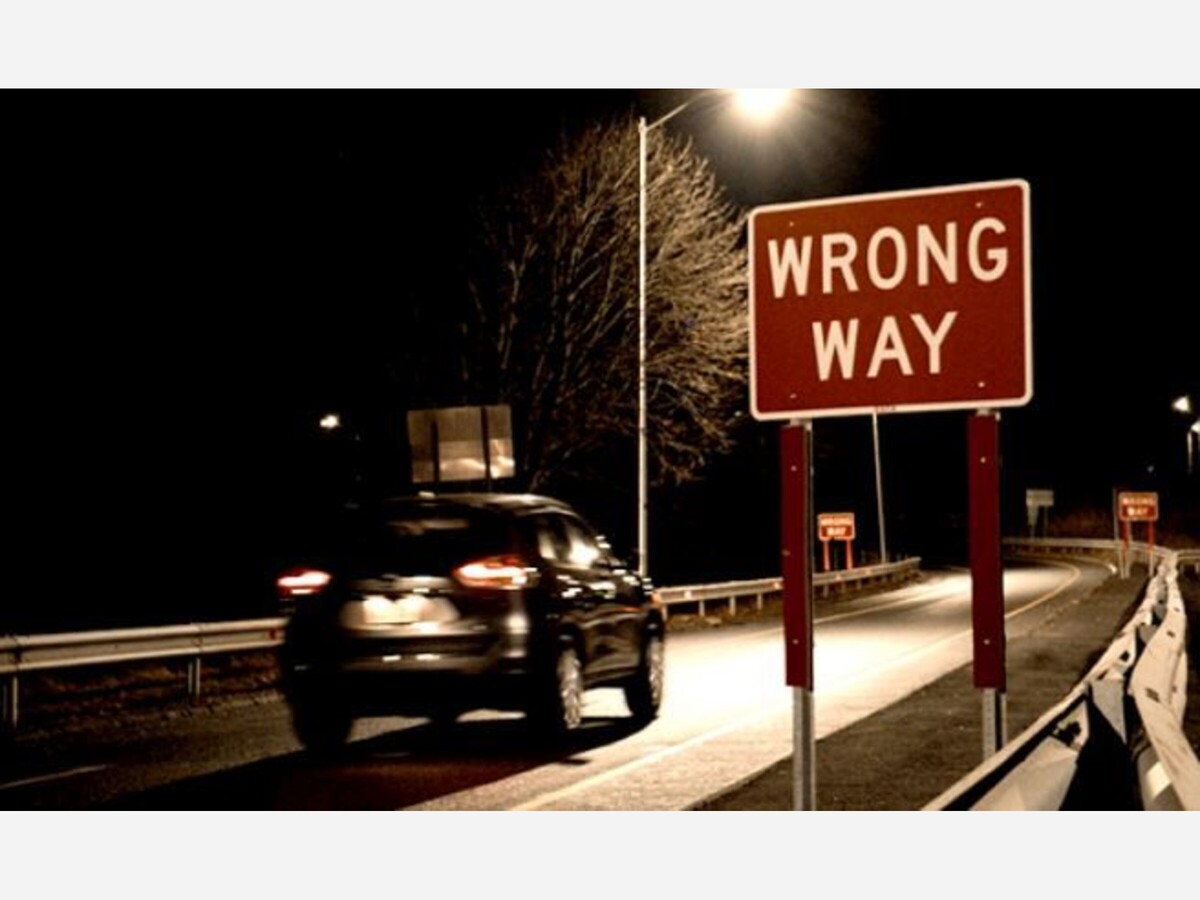
New tactics and technology being put in place to curb wrong-way driving are already working, Gov. Maura Healey said on Wednesday, and are part of a larger program being launched to make roads safer. One of the first sites to get attention will be the Bellingham Route 126 interchange with I-495.
"I want every resource, every tool, every technology deployed, used, here in Massachusetts on our roadways to prevent and stop wrong-way driving," Healey said during a press conference at the Danvers State Police Barracks. "I don't want any family to ever again be woken up in the middle of the night by the police, or get a knock on their door telling them that their loved one has been killed by a wrong-way driver."
Healey spoke of Endicott Police Sergeant Jeremy Cole, Gloucester High School graduate Chris Dailey and Trooper Kevin Trainor, who all were killed by wrong-way drivers in Massachusetts.
"Today is about saying we're doing everything we can to make sure it doesn't get to this point," Healey said, flanked by some of their family members and public safety officials.
AAA Northeast said fatal wrong-way crashes nationwide nearly doubled on divided highways between 2014 and 2023. In Massachusetts, 135 people died from wrong-way crashes between 2018 to 2025 and there were more than 5,700 wrong-way crashes on all types of roads, the auto group said, citing an analysis of data from the state's IMPACT crash portal.
"Expanding the state’s wrong-way crash detection program will reduce the frequency of these crashes and save lives," said Mark Schieldrop, senior spokesperson for AAA Northeast. "Investments in technology are a core part of a comprehensive strategy to prevent crashes and fatalities on our roads."
The state is replacing and expanding pavement markings, improving ramp design, increasing signage on ramps and roadways, introducing new signs that feature flashing LED lights "that you can't miss," and adding new sensors to alert law enforcement when a wrong-way driver is traveling down the road, Healey said.
She called it "cutting-edge technology" that includes a pilot of advanced detection technology for high-risk spots. According to her office, improvements will continue over "the next several years."
Other area priority sites under the program include Foxborough (2), Mansfield (2),
North Attleborough (1), Norton (2) and Plainville (2).
State Highway Administrator Jonathan Gulliver called it a "major statewide effort that will ultimately invest somewhere between 50 and 75 million to improve safety across the commonwealth at over 400 locations."
That's "a massive expansion" of the 16 existing locations the state has under a pilot, Gulliver said.
Healey said the cost is "upwards of close to 75 million" — funding that's "through our capital investment plan, money that has already been programmed and is available."
"At the end of the day, there's no price on public safety," she added.
The state is outfitting existing signals at many of its ramps across the state with new technology, including cameras that will create "detection zones" to identify drivers going the wrong way up the ramps, Gulliver said.
"It's that exact system that we actually just activated last night, just down the street in Danvers, that detected the vehicle entering the ramp the wrong direction," he said. "It did exactly what we were hoping it would do. The first goal of this whole program is prevention. It flashes the illuminated wrong way signs, it activates an audible warning, and then it automatically sends out a call to both the state police and to MassDOT's operations center, where we can coordinate on appropriate response."
The driver on Tuesday night was alerted they were going the wrong way and turned around "without incident," Gulliver added.
The Senate in May adopted a Sen. Bruce Tarr amendment to its fiscal 2027 budget that aims to prevent wrong-way and drunk driving. Tarr said he was moved to address the issue after Dailey died as a result of a car crash involving a wrong-way driver.
The passage of Tarr's amendment also came weeks after Trainor died while responding to a wrong-way driver call in Lynnfield. Healey's press conference Wednesday happened at the barracks where Trainor served.
The amendment would require the state to establish a comprehensive plan to eliminate instances of wrong-way driving, including lighting systems, signage and detection devices that alert wrong-way drivers and notify public safety agencies of wrong-way driving incidents. Per Tarr, that plan must also be updated every three years to keep up with changes in technology.
The amendment is subject to House-Senate budget negotiations, and would "codify a state plan in statute," Tarr said.
"We await that final action, and we await what will be the very welcome signature of Governor Healey on language that will make this effort and others like it the law of the land, and will signify our statutory commitment to what is happening here today," Tarr said.
Ella Adams is a reporter for the State House News Service and State Affairs Massachusetts.

Sunny, with a high of 81 and low of 62 degrees. Sunny for the morning, cloudy during the afternoon, clear in the evening, patchy rain nearby overnight.