

Image
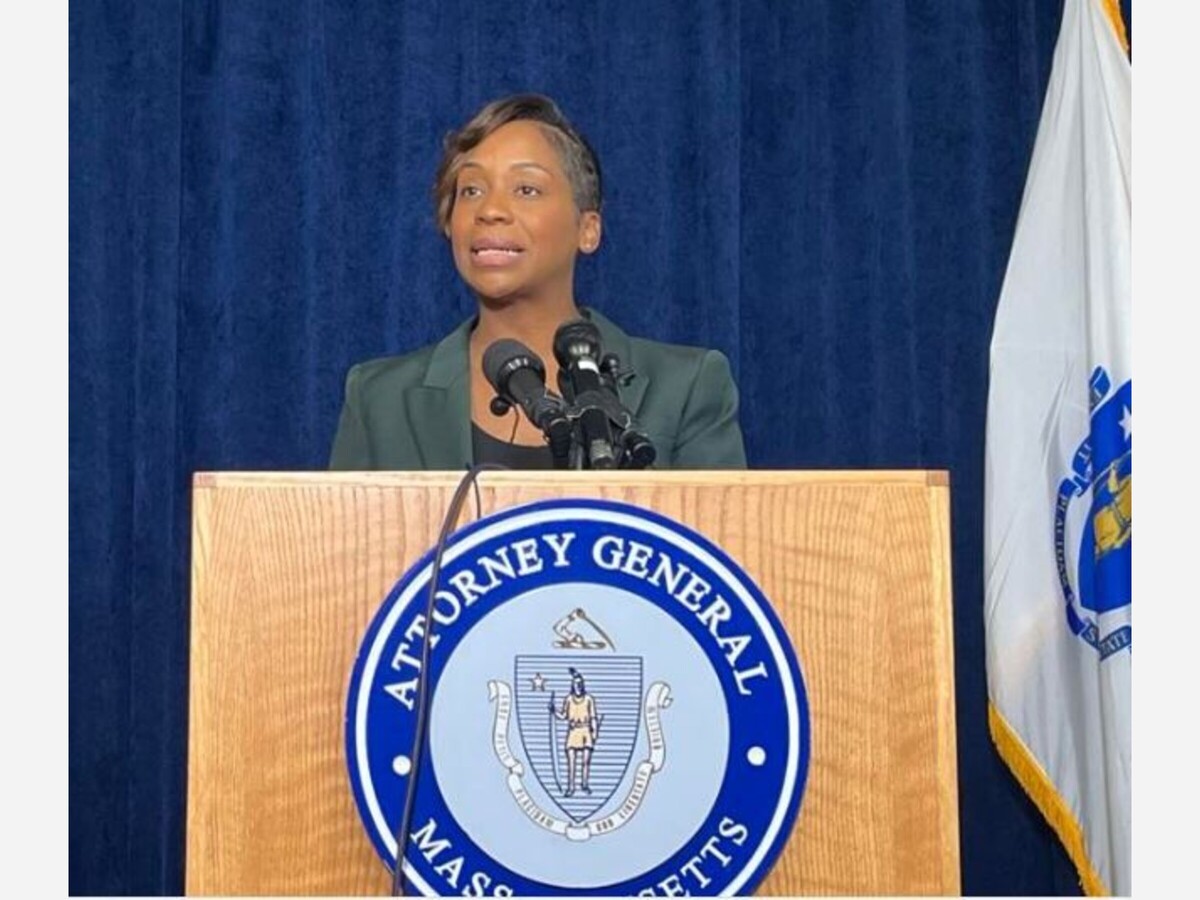
The Supreme Judicial Court on Thursday bounced an income tax ballot question from consideration this year, citing what it called a "significantly misleading" summary of the measure assembled by Attorney General Andrea Campbell's office.
Reactions poured in to the blockbuster ruling from people who are thrilled with the outcome, but had little to say about the details of the decision, and others who are angry and disappointed about the outcome and calling for procedural reforms.
Attorney General Andrea Campbell (through spokesperson):
"We respect the SJC’s decision and will continue to work diligently to ensure that ballot initiatives are summarized fairly and transparently."
Gov. Maura Healey (in a media scrum):
"The court has made its decision. I think what doesn't change is the need for everyone to focus on driving down costs and making life more affordable for people in Massachusetts. That's been my top priority. That's what I've been doing, you know, cutting co-pays and deductibles when it comes to healthcare, fighting utility rate increases, you know, and doing the things that we need to do to make life more affordable, so that they can afford homes. My first-time home buyer program is an example of that, cutting broker's fees. We need to, as a state, be looking at always to reduce costs and to make life more affordable, so you know the decision doesn't change that work, and I'm going to continue full on with that."
House Speaker Ron Mariano:
"A $5 billion annual loss in state revenue would’ve meant significant cuts to services and programs that Massachusetts residents rely on, while doing little to bolster competitiveness and address the affordability challenges facing the Commonwealth. I’m grateful that this irresponsible initiative petition won’t appear on the ballot in November."
Senate President Karen Spilka (at a media availability):
"There's so much else going on. I understand many people are happy, some might be bummed. But I -- we can deal with that later."
"I hope all are aware that the Supreme Judicial Court of Massachusetts tossed the ballot initiative to lower the income tax from 5% to 4%. Personally, as a resident of the Commonwealth, I am ecstatic."
"That ballot initiative would have devastated Massachusetts, simply put. The Trump administration has already caused chaos and cruelty in cutting between $3 and $5 billion in funding to Massachusetts, cutting healthcare. We have a major healthcare issue coming up with so many hundreds of thousands of people potentially coming off of healthcare, with all of the issues that are being cut -- education, early ed, K-12, public higher ed, every area of municipalities, every area of your life is going to be negatively impacted by the Trump cuts. They were smart. They had a lot of them wait to be implemented until after the midterms, so people are not aware of them nor impacted until after it's too late to vote their pocketbook and their families. But this ballot initiative would have potentially cut another $5 billion from the budget. And this not the way to make good law in Massachusetts, or any other state, to go out there and have one special interest group file language that was bad language. Everybody acknowledged it. That when it was filed, they thought it would lower the income tax from 5 to 4. They said it would not touch capital gains. It does. They did not say anything that it would get rid of the charitable deductions for people. It would. It would increase taxes for small businesses. They didn't mention that. There were so many things that were unknown, and if you know, we like to sit down and talk to people. What are your concerns? What are your issues? What can we bring people to for consensus, possibly meeting and vetting all of the language and the issues, and that's the way, the preferable way to make good law."
Massachusetts High Technology Council President Christopher Anderson:
“Today's SJC ruling means Massachusetts voters will not have the opportunity to weigh in on a proposal intended to provide tax relief and address growing concerns about the Commonwealth's affordability and competitiveness.
More than 100,000 residents signed petitions to place the measure on the ballot, and public polling consistently demonstrated broad public support for tax relief in Massachusetts.
While the outcome is disappointing, it does not change the underlying challenge facing Massachusetts. High costs, increasing outmigration, and concerns about the state's long-term competitiveness continue to affect residents, employers, and communities across the Commonwealth.
The Massachusetts High Technology Council remains committed to advancing solutions that strengthen the state's economic competitiveness and improve affordability for families and employers. With this option no longer available to voters, state leaders should pursue meaningful and timely actions to improve affordability and competitiveness, including tax relief and other measures that help Massachusetts retain talent, attract investment, and remain competitive with peer states.”
MassBudget President Viviana Abreu-Hernández:
"This is a win for Massachusetts’ residents. The income tax ballot question was inaccurately presented to signers and voters. Cutting the income tax - the largest single source of state revenue - would have caused an extraordinary reduction in state revenue with damaging consequences to the state budget. This would have resulted in harmful and destabilizing funding cuts to public programs. MassBudget’s research shows that once fully phased in, the ballot initiative to cut the personal income tax rate would have reduced annual tax revenue by approximately $5 billion. During a time when Massachusetts is already facing federal funding cuts and families are struggling to afford to live in our state, any cuts to state revenue would be devastating. We need to invest in housing, health care, education, transportation, and other human service programs in key areas to make the state more affordable."
Associated Industries of Massachusetts President and CEO Brooke Thomson:
"Today’s Supreme Judicial Court decision highlights the urgent need to modernize Massachusetts’ ballot initiative process. Associated Industries of Massachusetts (AIM) has long believed that governing through ballot questions is an inefficient and often ineffective way to
make public policy. This fall, voters could be asked to decide almost a dozen complex issues at the ballot box with many involving far-reaching consequences for the business community. AIM is committed to working with policymakers to pursue meaningful reforms that preserve voters’ rights while ensuring that major policy decisions receive the thoughtful deliberation and expertise they deserve."
Pioneer Institute:
Today's ruling by the Massachusetts Supreme Judicial Court is a serious disappointment for Commonwealth families struggling under one of the highest tax and cost burdens in the nation. The Court's decision rests on a drafting error in the Attorney General's summary of the petition — a matter entirely outside the control of voters and petition signers. As a result, the people of Massachusetts will be denied the opportunity to decide whether the Commonwealth should reduce the income tax rate from 5 percent to 4 percent.
The larger issue is whether voters should lose the opportunity to decide an important economic question because of a drafting error in a government-prepared summary. No ballot question has ever been removed due to a minor drafting mistake. Today's decision means that a technical defect in a summary prepared by the government can prevent voters from considering a question that otherwise qualified for the ballot.
That matters because Massachusetts faces serious economic challenges. Since 2020, the Commonwealth has experienced a net domestic outmigration of 182,000 residents. The largest group leaving is young adults between the ages of 26 and 34: the very people who will shape our workforce, economy, and communities in the decades ahead. Even as competitor states like Florida, North Carolina, and Texas experience massive job growth, Massachusetts is one of a handful of states to lose jobs since the start of the pandemic. On net business formation, Massachusetts has gone from 2nd to 50th in the nation. Add to that government inaction in the face of rising healthcare, electricity, and housing costs. Affordability is the defining concern for families and businesses across the Commonwealth.
Today's ruling does nothing to address those realities. It simply denies voters the opportunity to consider one potential response to them. Massachusetts families deserved the chance to weigh the question for themselves.
Republican candidate for governor Brian Shortsleeve:
"The Supreme Judicial Court may have kept this question off the ballot, but it won't keep it off my desk as governor. Massachusetts families are drowning under Maura Healey's affordability crisis while Beacon Hill keeps finding new ways to spend your money instead of letting you keep it. As governor I will file legislation to cut the income tax from 5 percent to 4 percent and fight to get it passed."
Jessica Tang, President of the American Federation of Teachers Massachusetts:
"This reckless ballot question would have pushed many families and communities over the edge. Now, it’s time to shift the discussion to what would really support our working families and communities, including strategic investments to support our schools, increase workforce training opportunities, and lift up the things that make Massachusetts a place people want to live and work and raise their families. Our state and our communities need more resources and support right now, not less. Children need more educators in their classrooms and more students are needing greater services. Residents need more opportunities toward homeownership. Working families are having to choose between paying their health insurance bills or their energy bills."
National Federal of Independent Businesses Massachusetts State Director Christopher Carlozzi:
"Massachusetts small business owners are deeply disappointed that citizens of the Commonwealth no longer have the ability to seek tax relief at the ballot box as they face a legislature passing policies that make the state less and less affordable. The hostility of opponents towards tax relief, which NFIB strongly supports, has been relentless. The referendum process is designed for this very purpose, when state lawmakers refuse to hear the legitimate concerns of citizens dissatisfied with bad policies, in this case an ever-increasing tax burden with no legislative relief in sight. The challenge against the ballot question was politics as usual, and it sets a chilling precedent that an Attorney General’s summary can be used to derail the right of citizens to bring issues to the voters."
Massachusetts Fiscal Alliance Executive Director Paul Craney:
“This is a disgraceful outcome for Massachusetts taxpayers and a direct result of the Attorney General’s failure to do her job properly. More than 100,000 residents signed petitions to put tax relief before the voters. They followed the process, did the work, and earned a place on the ballot. Now, because the Attorney General’s office produced a summary the court found to be significantly misleading, voters are being denied the chance to decide for themselves whether Massachusetts should lower its income tax.
The SJC did not reject the tax cut on the merits. The court did not say taxpayers were wrong to want relief. The court removed this question because the Attorney General’s summary failed to meet the constitutional standard required for ballot petitions. That is an extraordinary failure by an office that has enormous responsibility over the initiative petition process.
This is becoming a disturbing pattern from Attorney General Campbell’s office. She spent months resisting the voter-approved legislative audit law and trying to stop a 2024 ballot question from being enforced. Yet when it came time to perform one of her office’s most basic responsibilities in the ballot process, preparing a fair summary for voters, her office produced language the SJC found to be significantly misleading. Had that same level of focus she applied to fighting the audit law been applied here, more than 100,000 petition signers would not have had their work wiped away and Massachusetts voters would not have been denied their chance to vote on tax relief.
The people of Massachusetts deserved a vote on whether to lower the income tax from 5 percent to 4 percent. Instead, their voices were silenced over language written by the very office responsible for presenting ballot questions to voters. This decision should prompt serious scrutiny of the Attorney General’s role in the ballot process, because no future campaign should have its question thrown off the ballot due to mistakes outside the proponents’ control."
Max Page, President of the Massachusetts Teachers Association:
“The dark-money proponents of this reckless ballot initiative tried to hide an enormous give-away to the richest 1% within the appearance of a broad-based tax cut. It’s good that the Court stood up for the principle that voters deserve to know what they’re voting on. However, the out-of-touch billionaires behind this initiative are continuing to push their revenue cap ballot initiative, which would cost the state billions of dollars over the coming years and force cuts to public schools, healthcare, and other critical programs. We need to eliminate the loopholes that have allowed anonymous donors to fund this reckless campaign, and reject their continued abuse of the ballot process to buy themselves a massive tax break. Labor has already committed millions of dollars and the power of our members to build a successful grassroots campaign to stop the billionaires from achieving their goal: undermining the success of the Fair Share Amendment in creating a better, more just Commonwealth."
Deb Pimental, Executive Strategist of the Coalition for Social Justice:
“Today is a good day for anyone in Massachusetts who cares about our local schools, our healthcare system, or the public services we all rely on. The income tax cut ballot initiative would have created a $5 billion budget hole and triggered massive cuts to local schools, healthcare and other public services."
Republican candidate for State Treasurer Elizabeth Dionne:
"First Beacon Hill rejected the 72% voter-approved audit of the State House. Now Beacon Hill has deprived 3.2 million voters of the choice to reduce their income tax from 5% to 4% at the ballot box in November. The Beacon Hill establishment has no respect for the voters of Massachusetts!
I am incredibly disappointed by today's ruling from the Massachusetts Supreme Judicial Court, blocking this ballot question. Yet again, Beacon Hill has made Massachusetts less affordable. We face weak economic growth and a shrinking workforce, as young professionals flee the second most expensive state in the nation.
“Today’s ruling is a win for Beacon Hill insiders and a loss for every taxpayer who is tired of being told to pay more, expect less, and be quiet. Massachusetts families are being squeezed by rising costs, higher taxes, and a voracious state government that never has enough of their money. The rollback ballot question would have given voters a direct voice in whether they want real tax relief. Instead, the political establishment found a way to kill voter choice."


Sunny, with a high of 56 and low of 40 degrees. Sunny during the morning, clear for the afternoon and evening,