53° and Overcast



Image

26 June 2026
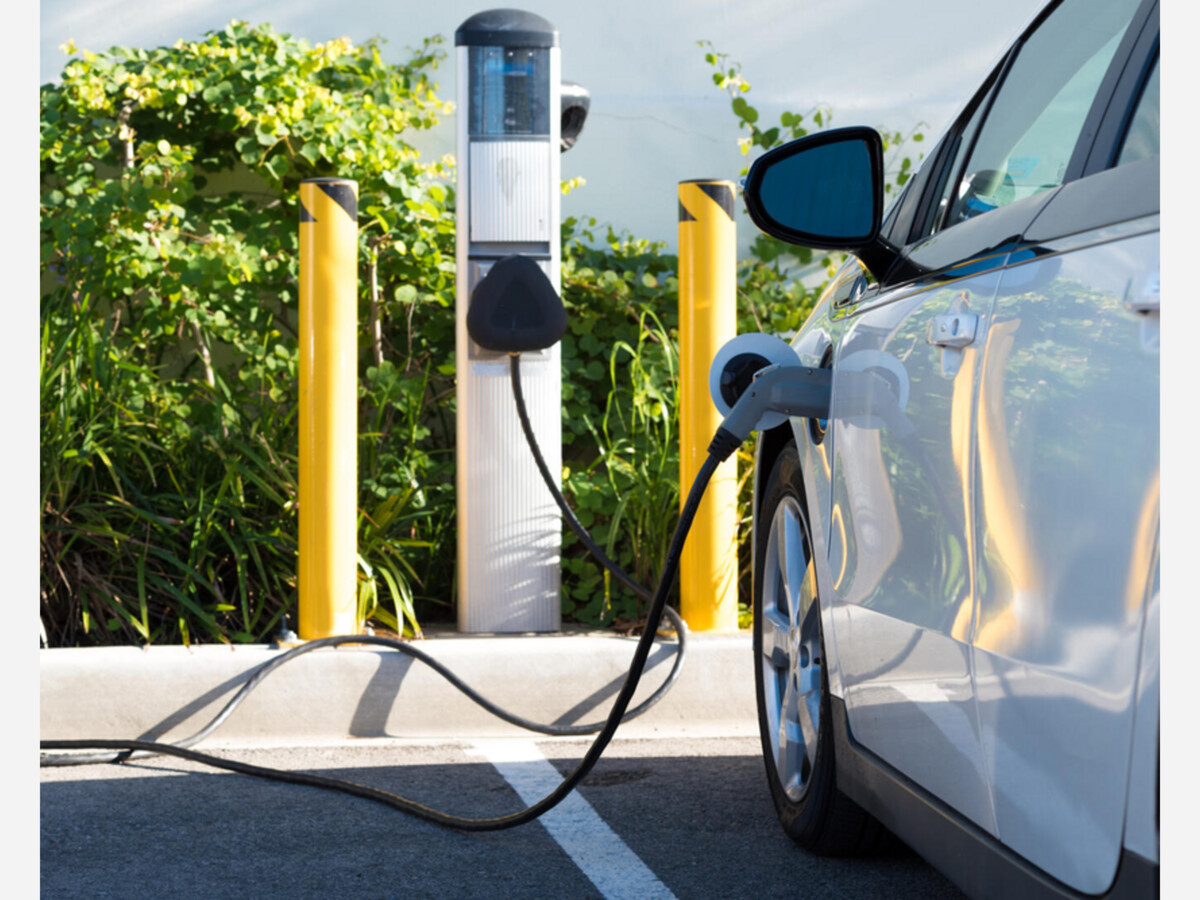
America’s EV industry has suffered a series of bad breaks over the last year and a half.
The end of federal tax credits for electric vehicles sent sales of new EVs off a cliff last fall. A nationwide buildout of chargers has been slow to get rolling. And the Trump administration has been dismantling air pollution regulations that were nudging the country away from gas cars.
But in the absence of a federal push for EVs, several
states have been picking up the slack by building strong charging
networks, introducing consumer incentives, and adopting other policies
that make going electric a sweeter prospect.
A new analysis from the Brookings Institution dives deep on what makes a state an EV
oasis, and scores states based on how far they’ve gone to promote
vehicle electrification. At the top of its ranking? It’s a tie between
California and Massachusetts, both of which scored 11 out of 13 possible points for overall EV readiness.
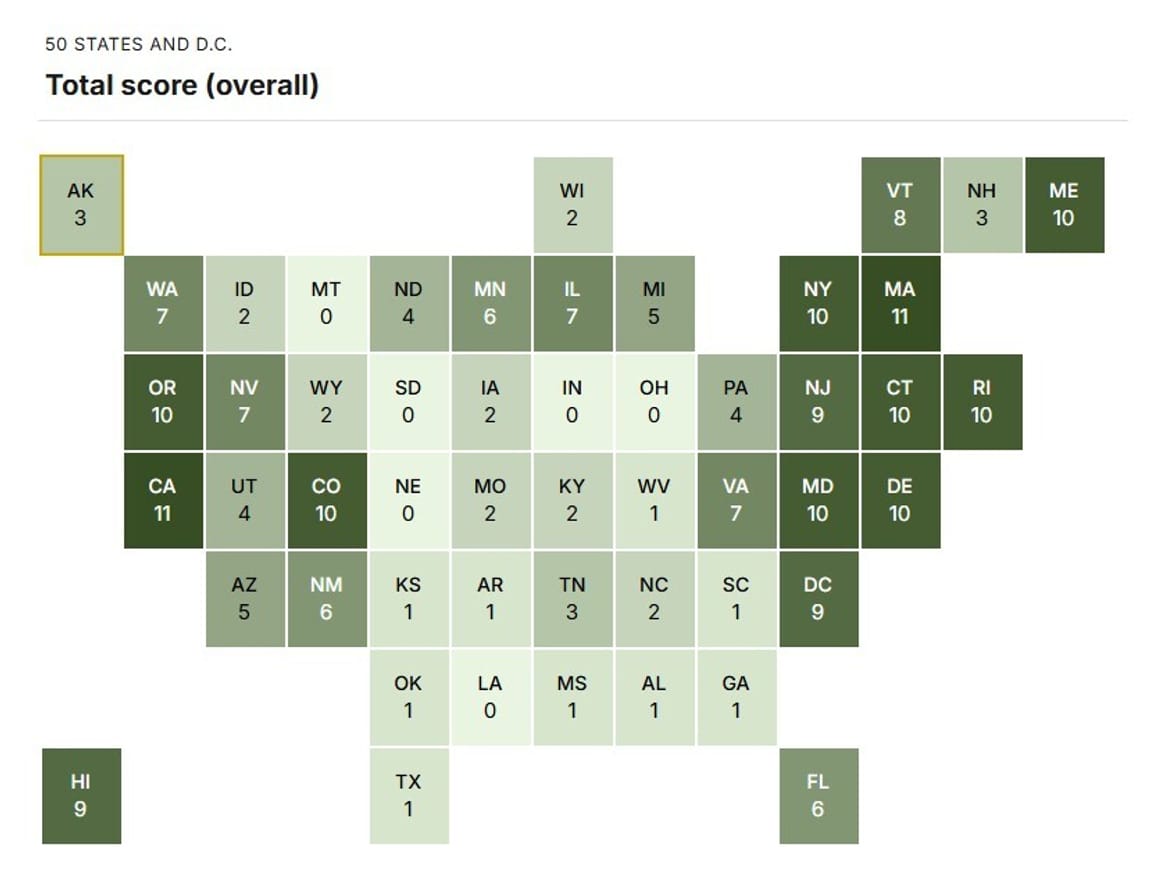
Massachusetts, New York, and Connecticut, meanwhile,
have three major incentives to encourage average drivers to buy EVs:
purchase rebates or tax credits, benefits like toll credits or parking
perks, and no annual EV registration fees.
What about charging? Massachusetts and New York are the
winners here, as they both have robust public charging networks,
rebates that help people install chargers, and special utility rates for
charging.
And yet Massachusetts still has room for improvement, according to Brookings. For one, EV manufacturers aren’t allowed to service vehicles in the state, which also lacks a plan for building out EV-charging infrastructure. As for California, the state’s annual registration fee for EV owners and lack of special utility rates for charging are weak spots.
At the other end of the spectrum, six states — Indiana,
Louisiana, Montana, Ohio, Nebraska, and South Dakota — don’t have
a single policy in place that’s getting them ready for an EV
future, according to Brookings. Nineteen more have just a few
EV-boosting policies on the books. Clearly state action alone won’t be
enough to propel the entire U.S. toward a cleaner driving future.
Reprinted with permission from Canary Media


Overcast, with a high of 61 and low of 47 degrees. Patchy rain nearby during the morning, overcast in the afternoon, clear during the evening, overcast overnight.