55° and Clear



Image
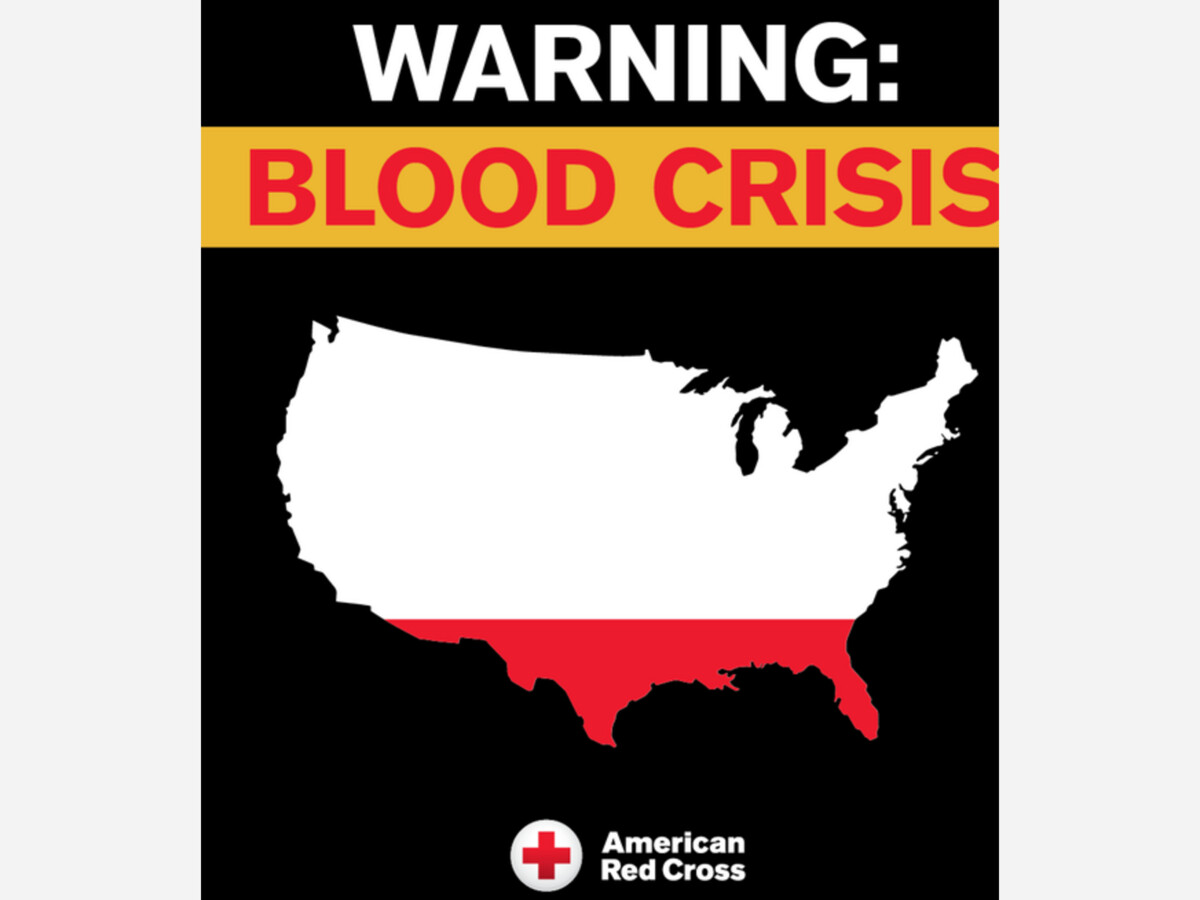
This week, the American Red Cross has declared only the second national blood
supply crisis in its entire history after blood donations fell to a four-year
summer low, deepening an emergency shortage that threatens the
availability of lifesaving blood for patients across the country. Those who may be eligible are urged to book an appointment now at RedCrossBlood.org or 1-800-RED CROSS.
Despite thousands of people answering the call to give, blood
donations are not keeping pace with hospital demand — which is up during
the summer trauma season. Extreme heat, poor air quality and widespread
foodborne illnesses are contributing to lower donor turnout this
summer, further straining the nation’s blood supply.
As the nation's largest single provider of blood products, the Red Cross now has less than a one-day national supply of type O positive blood —
the most commonly transfused blood type. To help ensure blood is
available for patients facing the most critical, life-threatening
emergencies across the country, the Red Cross has begun limiting
distributions of type O blood to individual hospitals.
These blood supply challenges are being felt across the U.S. blood community. Many blood collectors have also reported critical shortages this summer.
Just three more donors at each blood drive this summer can end this
crisis and stabilize the blood supply. Book an appointment to give blood
now by using the Blood Donor App, visiting RedCrossBlood.org or calling 1-800-RED CROSS (1-800-733-2767).
A Second National Blood Supply Crisis
January 2022 is the only other time that the Red Cross declared a
national blood crisis. Since then, the organization has put several
prevention measures in place, such as enhancing planning with hospitals
for their ongoing needs. But this summer’s elevated demand and
persistent collections challenges have still pushed the national blood
supply to crisis levels.
“The Red Cross takes its responsibility as the nation’s largest
single provider of blood products incredibly seriously and has worked
tirelessly to strengthen the blood supply for our hospital partners,”
said Chris Hrouda, president of Red Cross Biomedical Services.
“Following our first-ever national blood crisis in 2022, we put
additional safeguards in place to help prevent a crisis like that from
happening again. But this summer, blood donations simply are not keeping
pace with hospital demand, and inventories — especially type O blood —
remain under significant strain. Every donation has the potential to
help save lives, and we urgently need everyone who is eligible to make
an appointment to give blood as soon as possible.”
How to End the Blood Supply Crisis
Q: How can people end the blood supply crisis?
A: The Red Cross urges all eligible donors — especially those
with type O blood — to make an appointment to give blood as soon as
possible using the Blood Donor App, by visiting RedCrossBlood.org or by calling 1-800-RED CROSS (1-800-733-2767).
If an immediate appointment is not available, donors are encouraged to
schedule a donation in the days and weeks ahead to help the Red Cross
replenish and maintain a stable blood supply.
As a thank-you, everyone who comes to give blood by July 31, 2026, will receive a Fandango Movie Ticket by email (up to a $15 ticket price and fees). Those who donate Aug. 1–31, 2026, will receive a $20 Amazon Gift Card by email. Additional details about both offers are available at RedCrossBlood.org.
Q: How many blood donors are needed to end the blood supply crisis?
A: Just three more donors at each blood drive this summer can end this crisis and stabilize the blood supply.
Q: Why is type O blood so important?
A: Type O blood accounts for about 60% of Red Cross blood
distributions because it is essential for both everyday patient care and
medical emergencies. Type O positive — the most commonly transfused
blood type — can be safely given to about 80% of patients, while type O
negative remains the universal blood type relied upon when every second
counts.
Q: How does the Red Cross partner with hospitals to meet patient needs?
A: The Red Cross monitors the nation's blood supply daily and
works closely with hospital partners to prioritize the most urgent
patient needs. As the nation's largest single provider of blood
products, the organization strives to ensure blood is available whenever
and wherever patients need it.
After the first national blood crisis in 2022, the Red Cross and
hospitals across the country have strengthened their partnership to
improve stewardship of the nation's blood supply. Hospitals now schedule
about 65% of their anticipated blood needs in advance, providing
greater predictability for both the volume of blood products needed and
where they are needed most. This enhanced coordination has helped
improve the efficiency and resilience of the blood supply while ensuring
careful stewardship of precious type O blood products.
A strong supply of every blood type is critical to that effort. When
hospitals have adequate supplies of A, B and AB blood, they can provide
patients with blood that matches their blood type whenever possible.
This preserves type O blood for patients with type O blood and for
life-threatening emergencies, when there isn't time to determine a
patient's blood type.
While these improvements have strengthened the blood supply, they cannot overcome a sustained decline in donations. Maintaining a stable blood supply ultimately depends on volunteer donors of every blood type giving regularly. Every donation helps ensure lifesaving blood is available for patients every day — and when emergencies strike.



Sunny, with a high of 78 and low of 54 degrees. Sunny in the morning, clear overnight.