78° and Clear



Image
by Chris Lisinski, CommonWealth Beacon
November 13, 2025
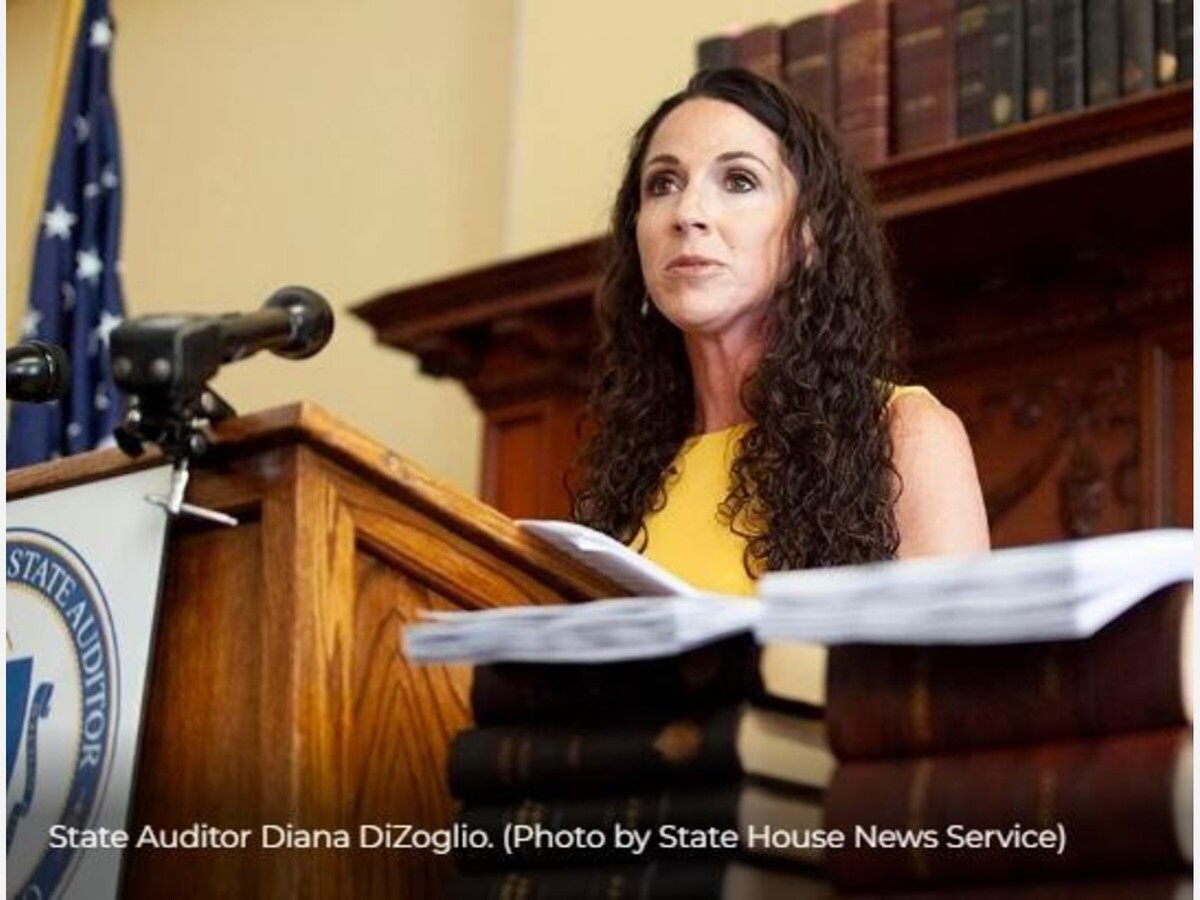
AUDITOR DIANA DIZOGLIO has a new idea for how to overcome the constitutional arguments that have stalled her voter-backed probe of the House and Senate: Go back to the ballot again and ask to make legislative records open to the entire public.
In recent months, DiZoglio has essentially taken over as the leader of the campaign behind a ballot question that would subject both the Legislature and the governor’s office to the state public records law.
She’s using the same playbook as last year’s audit question — which explicitly authorized her office to examine the Legislature and won a landslide victory at the ballot box — pulling together transparency advocates from both the right and the left. DiZoglio is also putting plenty of her own muscle behind the measure, including a $150,000 donation from her campaign account.
DiZoglio, who previously served in the House and Senate and clashed with top Democrats, did not shy away from linking the latest effort to her long-running audit fight. That effort remains stalled, and legislative leaders continue to argue that an audit by her office would violate the constitutional separation of powers between the executive and legislative branches.
If the new measure is successful, DiZoglio said, House and Senate higher-ups will no longer have the same avenue of resistance.
“The documents that I have requested for the audit are matters of public record in every other entity that actually follows the public records law,” DiZoglio told CommonWealth Beacon. “If [lawmakers] don’t want to give the documents to me, I’m just going to work to make sure that those documents are given to you all directly and will take out their bogus constitutional limitations.”
Unlike the audit question two years ago, though, DiZoglio did not launch the latest campaign herself.
The Coalition for Healthy Democracy, a transparency organization led by former gubernatorial candidate Danielle Allen, filed the records measure in August alongside another question that would replace the state’s partisan primary system with an all-party primary.
DiZoglio quickly announced her support for the records reform. In the ensuing weeks, she said, organizers decided to “divide and conquer”: The auditor would lead that campaign, while the coalition would focus on the measure overhauling the state’s primary elections.
Now, DiZoglio is again working with activists from across the political spectrum who are frustrated with the opaque way the Legislature’s Democratic supermajority operates, gathering signatures needed to move closer to the 2026 ballot, and visiting both Democratic and Republican town committee meetings to drum up support.
DiZoglio in late October donated $150,000 from her auditor campaign account to the nascent ballot-question campaign, deploying most of her available cash on hand. MASSterList first reported about the donation last week.
“If it’s on the ballot, I am confident that the voters will approve it, but we just need to get this issue on the ballot,” she said.
The Methuen Democrat described the records-reform measure as a natural continuation of her work to wrench open the curtains behind which Beacon Hill works.
Last year, nearly 72 percent of voters approved the ballot measure giving DiZoglio’s office the power to investigate the House and Senate.
Supporters of every ballot question must collect signatures from at least 74,574 registered voters and file them with local election officials by the end of the day on Wednesday, November 19.
That requirement is a steep hurdle, and every cycle it typically culls the field of measures in play from several dozen to just a handful. DiZoglio said the campaign is “in a good spot” ahead of the deadline.
Massachusetts and Michigan are the only two states where both the governor’s office and the Legislature claim not to be subjected to their public records laws, according to The Boston Globe.
The proposed ballot question would require both the Legislature and the governor’s office to comply with the existing records law, which already applies to executive offices, municipalities, and most other public agencies and government entities across the state.
It’s an idea that power players have long hesitated to embrace. The Globe surveyed the entire Legislature earlier this year, and reported that only 12 percent of lawmakers think they should be required to follow the public records law. (Most legislators did not respond to the Globe’s outreach, let alone detail their opposition.)
Asked in August about making more legislative records public, House Speaker Ron Mariano said “it depends on the definition of what opening up the laws are, and what you’re opening up.”
“I think there are some things that are better left to negotiate in private, and I would prefer it that way,” Mariano said, according to the State House News Service.
Gov. Maura Healey pledged after winning the election that she would not deem her office exempt from the law, but she soon reversed course. Healey’s team has released redacted versions of her monthly calendars listing events and meetings after the month ends, and denied several other requests for records related to stockpiling mifepristone, sexual harassment complaints and settlement agreements, and call logs.
Under the ballot question, two types of records would remain exempt: documents related to developing policy positions, and communications between a legislative office and a constituent specifically related to help navigating a government agency or obtaining publicly-funded benefits.
Groups backing the public records proposal include the right-leaning Massachusetts Fiscal Alliance and the left-leaning Act on Mass, which is also working on another measure curtailing use of legislative stipends.
Lawmakers can earn significantly more for high-ranking positions in leadership or on committees, and skeptics argue that system financially disincentivizes rank-and-file lawmakers from disagreeing with leadership.
Act on Mass executive director Scotia Hille said the question is “targeted directly at Beacon Hill’s power structures that allow the inaction and lack of transparency we’ve seen over the years accumulate.”
“The expansion of this system has coincided with the disappearance of debate and public dissent in the state Legislature, stalling progress,” Hille said. “It’s just a simple fact that our elected representatives shouldn’t have to weigh their livelihood every time they go take a vote.”
This article first appeared on CommonWealth Beacon and is republished here under a Creative Commons Attribution-NoDerivatives 4.0 International License.

PARSELY = { autotrack: false, onload: function() { PARSELY.beacon.trackPageView({ url: "https://commonwealthbeacon.org/politics/public-records/dizoglios-effort…", urlref: window.location.href }); } }


Sunny, with a high of 89 and low of 72 degrees. Overcast during the morning, partly cloudy in the afternoon, clear for the evening,