55° and Fog



Image
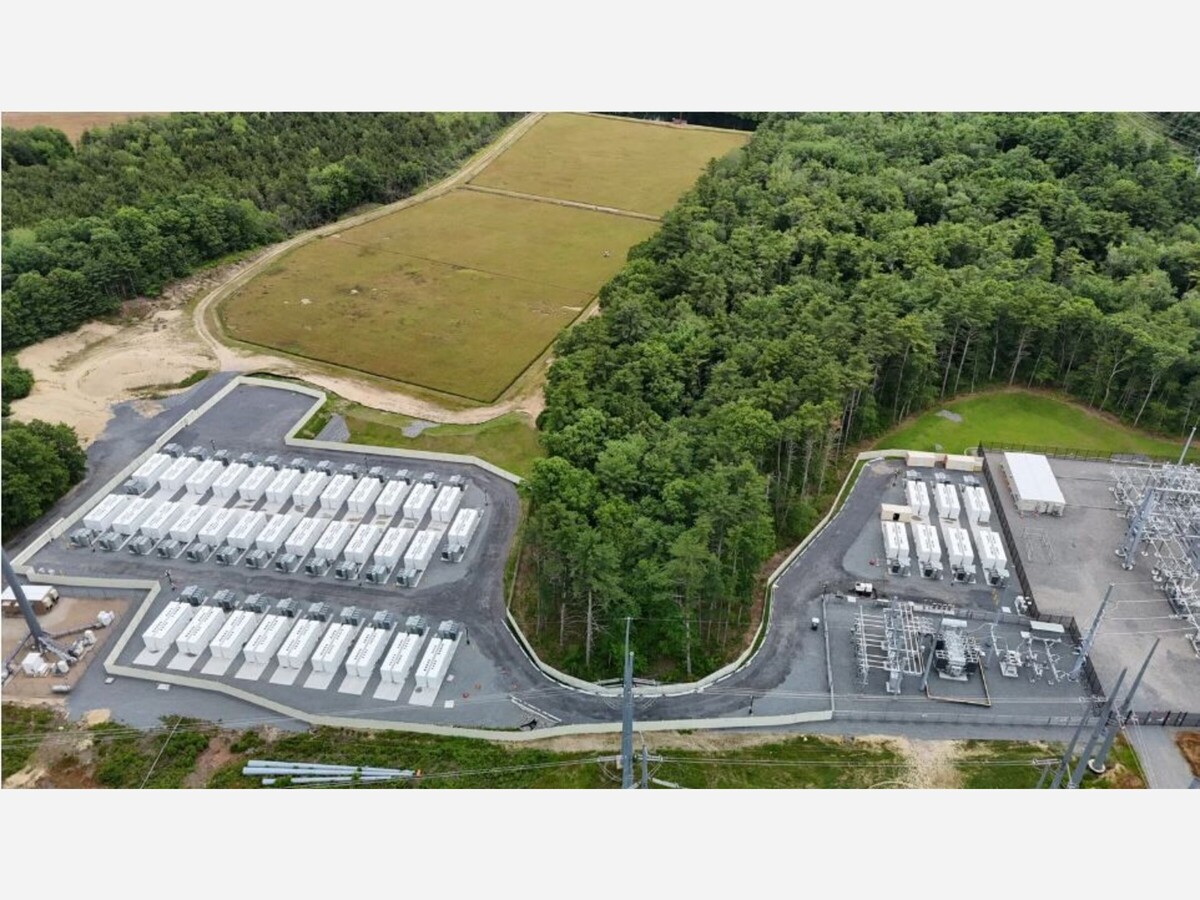
Above, Cranberry Point Energy, a battery storage facility in Carver, MA.
Massachusetts has been the land of the NIMBY (not-in-my-backyard) voters for a long time. But with recent actions on Beacon Hill, NIMBYs are on the run.
Thursday, the Healey-Driscoll Administration announced final reforms for Massachusetts’ energy siting and permitting process, creating a faster, more predictable pathway to build new energy infrastructure while strengthening transparency and engagement with host communities. The reforms are based on the recommendations from Governor Maura Healey’s Commission on Energy Infrastructure Siting and Permitting and were later enacted into law. By accelerating the development of locally produced clean energy and grid infrastructure, the new process will help lower energy costs, improve reliability, and reduce harmful emissions. “We are working every day to bring more energy into Massachusetts to lower costs,” said Governor Maura Healey. “Today’s reforms will cut red tape that has held back important new energy supply for decades. Massachusetts has an all-of-the-above approach to energy. More locally produced solar, wind and storage will lower electricity bills and ensure our grid is reliable for decades to come, all while creating good-paying jobs.”
“The new siting and permitting process proves we can do both – cut red tape while making the permitting process more receptive to the concerns of municipalities and stakeholders,” said Lieutenant Governor Kim Driscoll. “Municipalities will receive better vetted, site-appropriate projects, state support to intervene in the siting process for large industrial-scale projects, appropriate mitigation measures to offset impacts, and new model bylaws to guide the local siting and permitting process.” Final regulations have been filed over recent months, providing an on-ramp for municipalities to adjust their processes. The Energy Facilities Siting Board (EFSB) will switch to the new process on July 1. Municipalities may start offering the new consolidated permitting avenue as early as July 1 if they are ready to do so, and must start offering it by October 1.
“The new siting and permitting process is a historic win for environmental justice in Massachusetts and a major step toward more equitable siting practices that communities have been fighting for years,” said Energy and Environmental Affairs Secretary Rebecca Tepper. “I want to thank the Legislature and the many, many stakeholders and municipalities who helped find this compromise and refine this process. These new practices deliver on the Governor’s promises to establish an intervenor fund and cumulative impacts analysis, while cutting the red tape that prevents us from building the energy we need to lower costs and harmful emissions.”
Streamlined Permitting Process
Under the previous process, energy projects would have to secure numerous state and local permits on separate timelines, all subject to potentially lengthy individual appeals. Needed energy infrastructure – substations, solar projects, battery storage, transmission, and distribution infrastructure – could take years, if not a decade, to build, leading to higher costs for ratepayers. The reforms create expedited permitting pathways that will significantly reduce the time required to permit clean energy infrastructure projects. Projects are split up by size, with the EFSB responsible for all state and local permitting for large-scale projects, and municipalities retaining control over local permitting for small projects. In either instance, the permitting authority will issue a single consolidated permit in about one year. Appeals of EFSB decisions go directly to the Massachusetts Supreme Judicial Court. Over 97 percent of projects permitted in the past 2 years qualify as small infrastructure projects, meaning cities and towns will continue to have oversight over the vast majority of clean energy projects.
Strong Community Engagement & Environmental Justice Requirements
Prior to filing for state permits, project applicants will be required to meaningfully engage with stakeholders in the host communities. Most small projects need to host at least one public meeting and engage with local officials. Large projects must host two public meetings, translate materials, summarize comments and responses, and discuss community benefits agreements and plans with stakeholders. Municipalities will be granted automatic intervenor status in EFSB proceedings. A fund to support municipalities, organizations, and individuals who lack the resources will help with qualified legal representation and expert analysis. For the first time ever, Massachusetts will have Cumulative Impact Analysis requirements for large energy infrastructure – the most robust rules in the country for clean energy. The reforms include a new requirement that large projects proposed in areas with existing health, environmental, and climate burdens be subject to a Cumulative Impact Analysis, guiding developers towards low-impact sites and supports communities should they negotiate a community benefits agreement. This tool will be available by July 1.
Environmental Assessment
All large projects and most small projects are now required to conduct a Site Suitability Assessment using a new interactive mapping and scoring tool. This score provides applicants, local officials, and the public with a standardized, transparent guide to any environmental impacts based on reputable, publicly available data vetted by environmental experts. This incentivizes developers to make use of land parcels that are already developed or will have lower impacts. Project sites will be scored based on five criteria: agricultural resources, biodiversity, carbon storage and sequestration, climate resilience, and social and environmental burdens. Projects proposed on protected open space will automatically be scored as having a high impact. Projects on landfills, brownfields, parking lots, and other previously developed lots will be scored as having very low impacts. Based on the criteria scores, applicants must then develop a series of measures designed to minimize or mitigate the impacts. This tool will be available by July 1.
Next Steps for Municipalities
The reforms feature a turnkey permitting process that allows municipalities like Franklin and Medway to start offering the new consolidated permitting pathway as early as July 1. Cities and towns subsequently can use new model bylaws being finalized by the Department of Energy Resources (DOER) to update their own zoning bylaws ensuring their local rules and processes are aligned with state law and new regulations. The final regulations for small clean energy infrastructure facility siting and permitting, draft guidelines that provide clarity on how to implement the regulations, and draft model bylaws for solar and battery energy storage systems can be found on DOER’s website. DOER has regional coordinators to support cities and towns navigating the changes to the permitting process. DOER will also roll out technical assistance programs this spring to help cities and towns and other stakeholders with the new processes.



Patchy rain nearby, with a high of 70 and low of 53 degrees. Don't forget your umbrella! Fog during the morning, overcast for the afternoon, clear for the evening, fog overnight.